Introduction
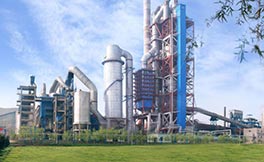
If you want to optimize lime production, the first priority is not simply to increase output. The real lever is to choose the right modern lime kiln and improve the system around it. In modern industry, lime production efficiency depends on kiln design, raw material stability, fuel consumption, automation, and emissions performance.
A modern lime kiln is more than a piece of heating equipment. It is the operating center of the entire lime production line. When the kiln is selected correctly and managed well, manufacturers can lower energy cost, improve quicklime quality, reduce downtime, and maintain more stable plant performance over time.
This article gives a practical overview of modern lime kilns, including the main kiln types, the factors that affect lime production efficiency, and the best ways to optimize a lime plant for long-term performance.
What Is a Modern Lime Kiln?
A modern lime kiln is a thermal processing system used to convert limestone into quicklime through calcination. In the process, calcium carbonate is heated to a high temperature and decomposes into calcium oxide and carbon dioxide.
Compared with traditional kiln systems, modern lime kilns are designed to deliver better thermal efficiency, lower fuel consumption, stronger automation, and more consistent product quality. They are also better aligned with current environmental standards and energy-saving requirements.
In practical terms, a modern lime kiln should help a producer achieve stable output, lower operating cost, improved lime reactivity, reduced emissions, and better overall process control.
Types of Modern Lime Kilns
Different kiln types serve different production strategies. The right choice depends on raw material characteristics, fuel conditions, product requirements, and investment level.
Shaft Kiln
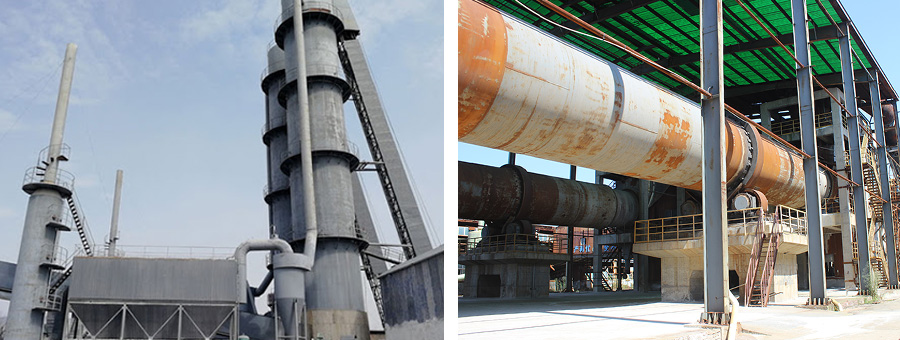
The shaft kiln is one of the most common technologies in lime production. It operates vertically and allows limestone to move downward through preheating, calcining, and cooling zones by gravity. Shaft kilns are often selected for their relatively simple structure, low fuel consumption, and good thermal efficiency.
Rotary Kiln
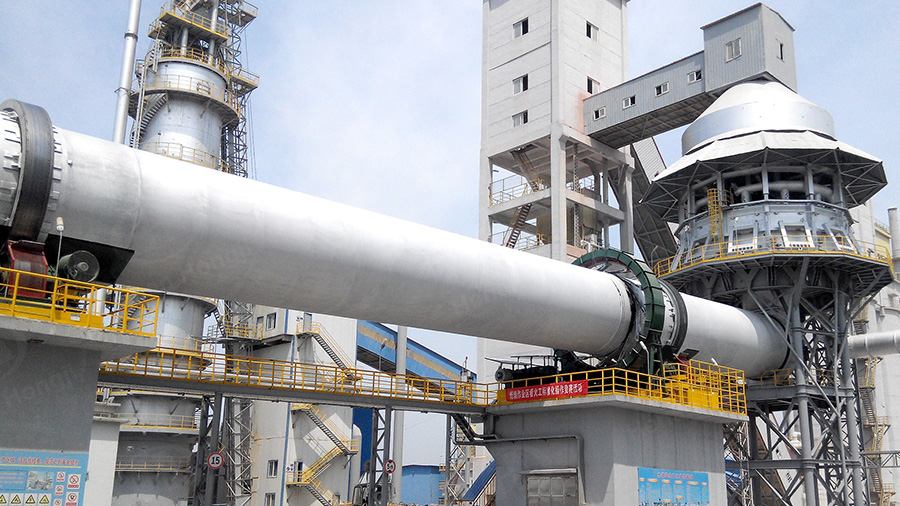
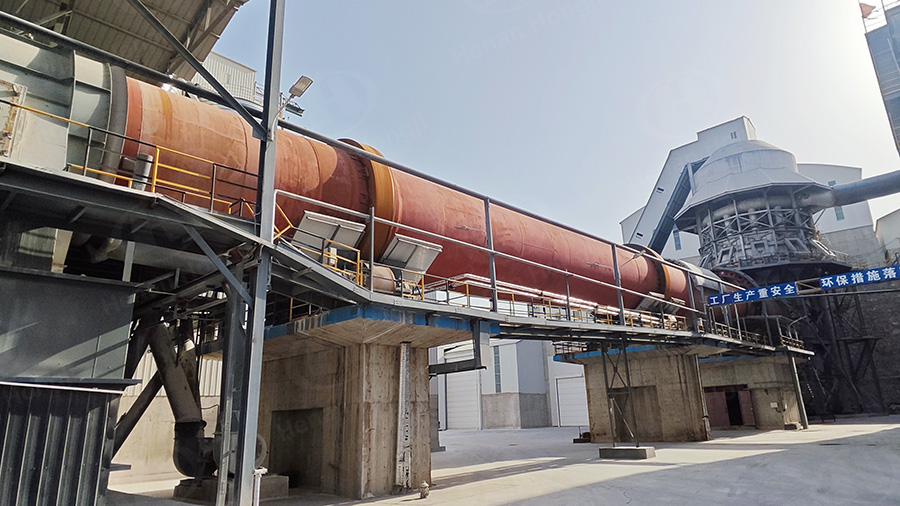
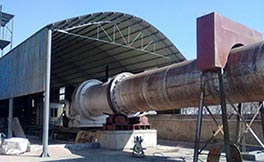
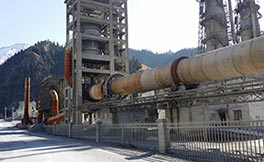
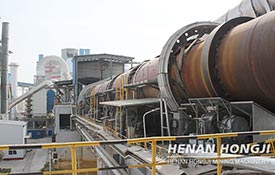
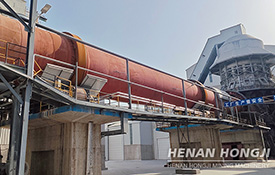
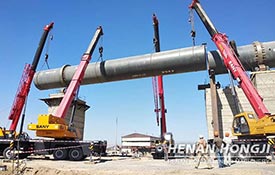
A rotary kiln is a rotating cylindrical furnace that offers greater operational flexibility. It can adapt to wider raw material variations and is commonly used where process conditions are more complex. Rotary kilns usually provide easier control flexibility, but their energy use may be higher than that of advanced shaft kiln systems.
Regenerative Lime Kiln
A regenerative lime kiln is one of the most efficient modern kiln technologies. By recovering and reusing heat within the system, it can achieve lower fuel consumption, stronger temperature control, and better environmental performance. For many producers, this makes it an attractive solution for long-term cost optimization.
Key Factors That Affect Lime Production Efficiency
Raw Material Quality
Limestone quality has a direct impact on kiln performance. Particle size, chemical composition, and moisture content all influence heat transfer and calcination quality. Stable raw material conditions are essential for efficient kiln operation.
Fuel Consumption and Combustion Control
Fuel is one of the largest cost drivers in lime production. Efficient combustion depends on proper air-fuel balance, stable feeding, and good burner performance. Poor combustion can increase energy cost and create inconsistent quicklime quality.
Temperature Distribution
Even temperature distribution is critical. If the kiln temperature is too low, limestone may remain under-burned. If the temperature is too high, the lime may become over-burned and lose reactivity. Modern lime kilns are designed to keep the thermal profile more stable across the process.
Automation and Monitoring
Automation systems allow operators to monitor temperature, pressure, airflow, gas composition, and output in real time. This improves stability, reduces dependence on operator experience, and supports more consistent production.
Waste Heat Recovery
Waste heat recovery is a major advantage of modern lime kilns. Instead of losing thermal energy through exhaust gases, advanced systems recover and reuse it for preheating air or materials, which improves total energy efficiency.
Comparison Table of Modern Lime Kilns
The table below provides a simple comparison of the most common modern lime kiln options.
| Kiln Type |
Thermal Efficiency |
Raw Material Flexibility |
Fuel Consumption |
Typical Use Case |
| Shaft Kiln |
High |
Medium |
Low |
Stable raw materials and continuous production |
| Rotary Kiln |
Medium |
High |
Medium to High |
Flexible operation and variable raw materials |
| Regenerative Kiln |
Very High |
Medium |
Very Low |
Long-term efficiency and high-quality output |
How to Optimize Lime Production with Modern Lime Kilns
To optimize lime production, manufacturers should think in systems rather than isolated equipment. The kiln performs best when raw materials, combustion, heat recovery, and automation are aligned.
First, stabilize limestone size and composition. Second, improve burner performance and air distribution. Third, reduce heat loss through insulation and sealing. Fourth, invest in automation and monitoring. Fifth, evaluate output not only by tonnage, but also by reactivity, residual carbon dioxide, and consistency.
In most cases, the best results do not come from one single upgrade. They come from combining equipment improvement with stronger process discipline.
How to Choose the Right Lime Kiln for Your Plant
There is no universal best kiln. The right kiln depends on raw material quality, target production capacity, fuel type, quicklime quality requirements, emission standards, maintenance capability, and budget.
If your raw materials are stable and energy efficiency is the main goal, a shaft kiln or regenerative kiln may be the better choice. If your operation requires greater flexibility, a rotary kiln may be more suitable. The most important principle is to evaluate the total business case rather than only the initial equipment price.
Conclusion
Modern lime kilns are a strategic asset for any manufacturer that wants to improve lime production efficiency, product quality, and long-term operating performance. The best kiln is not simply the largest or the cheapest. It is the one that matches the raw materials, production targets, cost structure, and operating model of the plant.
Companies that optimize kiln selection and process control can achieve lower fuel consumption, more stable output, better quicklime quality, and stronger environmental performance. In a competitive industrial market, those advantages matter directly.